Sustainability and Food Choices. Is anyone listening?

The “experts” are giving food choices “lip service” at best.

A very hot topic these days, the word “sustainability,” Google yields over 82 million responses in a half second. Everywhere you go, people are talking about sustainabilityEco-Schools (headed in UK) now operating in 53 countries, has more than 40,000 schools participating.

Eco-Schools banner

In the United States, there are now hundreds of colleges (See link below) in the USA that offer “sustainability programs” with green degrees. But I can’t find a single one that even mentions food choices. As for Eco-Schools, their program is based on nine key topics, and food is not one of them. (See link below)
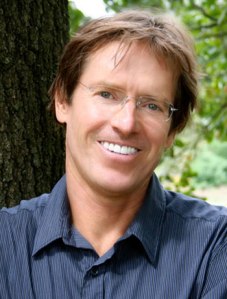
Dr. Richard A. Oppenlander

Dr. Richard A. Oppenlander

Apparently, NONE of the big “eco” or sustainability programs around the world are focusing on the single leading cause of global environmental issues—the raising of livestock for our dinner tables. Last week, I learned about another “big picture guy” like myself—Dr. Richard Oppenlander, author of  Comfortably Unaware. (See Amazon link below).

As he says, everyone is talking about the importance of sustainability, yet most of them are unaware of the most important human activity as it relates to all aspects of sustainability—our food choices. At the end of his video lecture (link below), he summarized what has happened in the world during the last hour that he’d been talking:

  • 8 million land animals have been slaughtered
  • 114 thousand tons of grain have been fed to livestock…
  • …while 684 children have starved to death
  • 5,835 acres of rainforest have been destroyed (for livestock use)
  • 4 million tons of greenhouse gases have been generated by livestock

Even the most prominent sustainability experts seem to be unaware of all of the above. Either they are unaware of the facts about food—or they lack the courage to challenge the almighty food industry. No doubt most of them are eating the typical western diet themselves and prefer to believe the food industry—so that they may continue eating their own harmful and wasteful foods without guilt.

Just over a year ago, I decided to reach out to some of those experts, writing letters to the department heads of four of the nation’s most prominent schools of sustainability. Although I suspected that they were all giving “lip service,” if any mention at all, to the destructiveness of our standard American diet, I decided to give them the benefit of the doubt and reach out to a few of them.

My letter to the department head at Yale. My letter to Yale was mailed on August 17, 2012. Three other letters went out to other prominent “sustainability” schools across the country. After over one year, I have not heard not so much as a courtesy note from a single one of them.

  • Dr. Edward A. Snyder, Dean
  • Yale School of Management
  • 135 Prospect Street
  • New Haven, CT 06511
  • Subject: Sustainability Schools

Dear Dr. Snyder,

While searching online for prominent universities with sustainability programs, I discovered that one of them was in my own neighborhood — the Yale School of Management. As the author of Healthy Eating, Healthy World, which is primarily about sustainability, I am very interested in doing what I can to promote the single most powerful decision that humans can make for their health AND for the health of the planet. It’s the decision about what to put on the end of our forks. 

Although I identified 123 schools that offer Green Degrees, I doubt that many of them give much more than lip service to the power of plant-based eating when it comes to sustainable living. But knowing that Yale is one of the premiere universities in the world, I was confident that would not be the case there. From the Sustainability website, I learned the following about Yale SOM:

Yale School of Management (SOM) has social and environmental sustainability woven throughout its core curriculum and more than 45 elective courses. The school has been recognized as a Gold Net Impact Chapter, signifying that many SOM students are highly active in learning about sustainability and tackling sustainability challenges.

After almost 600 consecutive days of blogging (at hpjmh.com) about the impact of our food choices, I find myself focusing more and more on our planet’s ability to support the long-term sustainability of the human race. I have concluded that the planet is going to be just fine; the question is how much longer she will be able to support life, particularly human life, as we know it?

The students of sustainability schools all over the world deserve to learn the absolute truth about how to get the most “bang for the buck” when it comes to lifestyle changes. They deserve to learn about the #1 cause of global warming, the #1 cause of our water crisis, and the #1 cause of decreasing species diversity. It’s the same thing in every case—our toxic western diet.

Take a few hours to review our book and then let’s talk about how we can work together to promote health, hope and harmony on planet Earth. Since I live less than an hour away, perhaps we could arrange for a visit in your office sometime soon. I look forward to hearing back from you. Sincerely, J. Morris Hicks

After not receiving a single response to any of my four letters, I concluded that my original suspicion was correct.

None of them are taking our food choices seriously when it comes to sustainability.

How could that possibly be? How could they all be so unaware of the single leading cause of so many of our environmental problems? I can only conclude that it’s the ubiquitous “protein myth” that seems to be embraced by 95% of our population—including some of the brightest and best educated people in the world.

What is that myth? The misguided belief that we “need” to eat animal protein to be healthy. Until we dispel that myth in a big way, there’s simply not going to be much progress in promoting our own health or in promoting the planet’s ability to sustain us as a species. My conclusion:

Shifting to a whole foods, plant-based diet will do more to ensure the long-term survival of our species than ALL other possible initiatives combined.
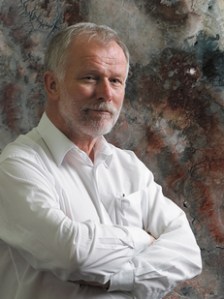
Dr. Sander van der Leeuw, Dean of School of Sustainability, Arizona State

Dr. Sander van der Leeuw, Dean of School of Sustainability, Arizona State. Zero response from him either—after over a year.

Facts about food; not dietary guidelines. When it comes to those hundreds of “sustainability schools, I am not suggesting that they begin telling students what they should be eating, but rather that they present the environmental and sustainability facts about all diet styles. The students deserve to have this information so that they can make their own individual dietary choices.

Since the students in this curriculum are obviously interested in sustainability, many of them may very well choose a whole foods, plant-based diet once they realize what’s at stake. Not only will they be rewarded with vibrant health and a trim body, but they’ll also know that they’re taking the single most powerful step possible to promote a healthy planet.

But they’re not getting that information and probably won’t for a very long time. And I don’t believe that we have time to wait for our system to change. Prominent scientists are predicting the collapse of our civilization before the end of this century, yet our top experts in sustainability and medicine are doing nothing to address our #1 problem in both fields of study.

Seriously Radical Intervention Needed

Promoting health, hope and harmony on planet Earth

Win-Win. What’s healthy for us is also healthy for the planet and for her ability to sustain our species.

Hardly any (if any at all) of our sustainability experts know about the importance of our food choices. Likewise, less than 10% our medical doctors know that 80% of our cost of healthcare is driven by our toxic western diet.

This despite the fact that a former president of the USA has talked openly about reversing his heart disease by replacing his meat and dairy with veggies, grains and fruit.

What to do? In the past few weeks, I have been posting blogs on this topic. How do we fix the mess we’re created? Rx for Global Food Information System. Complete Re-design

For your convenience, here are more links on this most crucial of all topics—the longterm sustainability of the human species.

Handy 5-piece take-charge-of-your-health kit—from Amazon.com

Why should we be eating mostly plants? The “big picture” in 4 minutes.

Want to find out how healthy your family is eating? Take our free 4Leaf Survey. It takes less than five minutes and you can score it yourself. After taking the survey, please give me your feedback as it will be helpful in the development of our future 4Leaf app for smartphones. Send feedback to jmorrishicks@me.com

International. We’re now reaching people in over 100 countries. Follow us on Facebook and Twitter or get daily blog notices by “following” us in the top of the right-hand column. For occasional updates, join our periodic mailing list.

J. Morris Hicks, working daily to promote health, hope and harmony on planet Earth.

To order more of my favorite books—visit our online BookStore now

For help in your own quest to take charge of your health, visit our 4Leaf page and also enjoy some great recipes from Lisa’s 4Leaf Kitchen.

Got a question? Let me hear from you at jmorrishicks@me.com. Or give me a call on my cell at 917-399-9700.

SHARE and rate this post below.

—J. Morris Hicks, board member, T. Colin Campbell Foundation
Posted in Activism & Leadership, Sustainability | 4 Comments

School lunches. We thought they were getting better…

Why we must have a complete re-design of our food information system

Did you see the news this week (see link below) about how some school districts are dropping their “healthier” lunch programs? Not that their “healthier” lunches were ever that healthy anyway. And now they’re dropping them because many of the kids won’t eat them. So they’re bringing back the burgers, fries and pizza.

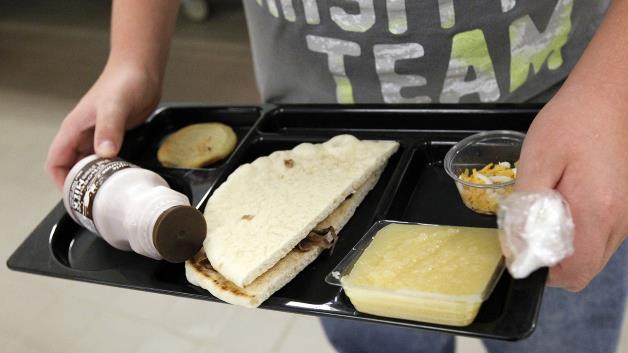
Not exactly a 4Leaf meal

Not exactly a 4Leaf meal

This photo is one of their “healthier” lunches. White flat bread roast beef sandwich, apple sauce, chocolate milk and a cookie. Not exactly a whole foods, plant-based 4Leaf meal, is it? I doubt that it would even score at the 1-leaf level on our 4Leaf scale. Click on this link to learn how well you’re doing on that scale. It’s free and takes about two minutes.

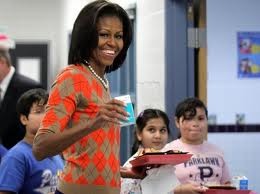
Michelle still doesn't "get it." Here she is with a carton of milk as she role models "healthy" eating in our schools.

Even Michelle Obama seems to think that cow’s milk is healthy for children and adults.

So what’s the problem with school lunches? Michelle Obama has been working on them for five years now and we’re constantly hearing news about the improvements that are taking place. But the kids are still obese and type 2 diabetes rates are soaring all across the country. And Michelle is still drinking cow’s milk. What’s going on?

There is no PLAN for educating the public about what they should be eating and WHY. In my blog earlier this week, I called for the complete re-design of the entire system that controls the flow of information about food in the USA and, to some extent, around the world.

The system I am talking about is VAST and it has never provided clear information to the public about exactly what comprises the healthiest diet—one that is capable of reversing heart disease and preventing cancer. The sad part is that the diet we should be eating is so easy to describe. I can do it in two words—WHOLE PLANTS. We should be deriving most of our calories from whole plants.

It's time to tell the world the simple truth about whole plants---for our health, for our children and for our future as a species.

It’s time to tell the world the simple truth about whole plants—for our health, for our children and for our future as a species.

What about the parents? We can’t expect the kids to develop healthy eating habits if their parents don’t show them how. And how is that supposed to happen when we have a system that thinks that white bread, roast beef, cow’s milk and cookies are healthy foods?

The solution to this mess is simple. Not easy, but simple. Every parent in America needs to be taught the absolute truth about healthy eating—for their own health AND for the health of their children. Personally, I concluded that our current system will never get this done. And I proposed a simple solution, one that I explained in detail in this the 8-27-13 blog entitled Rx for Global Food Information System. Complete Re-design.

That blog contains a workable PLAN to inform every American citizen and much of the entire world exactly what healthy eating is all about. That PLAN was created due to a near certainty that our civilization will collapse by the end of this century—unless we make some radical changes in how we live.

I will be speaking about that PLAN in Tucson next month.

I will be speaking about that PLAN in Tucson.

And there is no human activity that needs more radical change than the way we eat—when it comes to longterm sustainability. My conclusion:

Shifting to a whole foods, plant-based diet will do more to ensure the long-term survival of our species than ALL other possible initiatives combined.

Win-Win-Win. As Dr. Campbell said in The China Study, “It turns out that if we eat the way that promotes the best health for ourselves, we also promote the best health for the planet.” And a healthy planet is what we need to sustain us as a species. And the best thing we can do for the health of our planet is choosing a whole foods, plant-based diet.

Ending on a good note!

So this blog won’t be all bad news, I wanted to share this 15-minute video entitled: Impact of Fresh Healthy Foods on Learning and Behavior. This video is all about the wonderful things that happened in Appleton, Wisconsin, when a school district there decided to get serious about nutrition.

Before the change, there were many behavioral problems, including weapons—that have simply disappeared. The students are now calm and well-behaved since the junk food and soda have been replaced with water and nutritious, whole, plant-based foods. What about the cost? How about a reduction in the district’s budget of FIVE MILLION dollars a year? They make the point that when you invest in one area (like nutrition), costs go down in other areas—like security.

I watched the entire video carefully and applaud what they’re doing in Wisconsin. My only complaint is that the food education is still not complete—and won’t be until we replace our current dairy-controlled system. In the video— the fruits, veggies and whole grains far outweighed the few shots of eggs and cow’s milk. (Thanks Leo, for sending me this video)

For your convenience, in addition to the source article, I have provided links to a few other blogs that I have written about kids health in the last few years.

Handy 5-piece take-charge-of-your-health kit—from Amazon.com

Why should we be eating mostly plants? The “big picture” in 4 minutes.

Want to find out how healthy your family is eating? Take our free 4Leaf Survey. It takes less than five minutes and you can score it yourself. After taking the survey, please give me your feedback as it will be helpful in the development of our future 4Leaf app for smartphones. Send feedback to jmorrishicks@me.com

International. We’re now reaching people in over 100 countries. Follow us on Facebook and Twitter or get daily blog notices by “following” us in the top of the right-hand column. For occasional updates, join our periodic mailing list.

J. Morris Hicks, working daily to promote health, hope and harmony on planet Earth.

To order more of my favorite books—visit our online BookStore now

For help in your own quest to take charge of your health, visit our 4Leaf page and also enjoy some great recipes from Lisa’s 4Leaf Kitchen.

Got a question? Let me hear from you at jmorrishicks@me.com. Or give me a call on my cell at 917-399-9700.

SHARE and rate this post below.

—J. Morris Hicks, board member, T. Colin Campbell Foundation
Posted in Activism & Leadership, Children | 7 Comments

Rx for Global Food Information System. Complete Re-design

Like worn out cars—some SYSTEMS are beyond repair.

The system that I am talking about is the one that distributes information about what we should be eating. We need to know the absolute truth about this most vital topic—for our health, for our planet and for the longterm sustainability of humanity.

Dr. Campbell says we must study the entire human body to understand how nutrition works.

Dr. Campbell says we must study the entire human body to understand how nutrition works.

Our current system is failing us miserably. So what is that system? That’s the first part of the problem; it’s vast, complex and very difficult to define and even more difficult to change—even if that change would save lives, nurture our fragile environment and ensure our longterm survival.

In Dr. T. Colin Campbell’s latest book, WHOLE, Rethinking the Science of Nutrition, he did a thorough job of describing what seemed to me at first like an incredibly hopeless situation. But it planted the initial seed for the ideas expressed in this and a few of my earlier blogs. Where there’s a will there’s a way.

Why do I say seemingly hopeless? Because history would suggest that, if we don’t have a radical intervention, the needed change will come far too slowly—and probably too late. But there is hope; read on…

Our global system of scientists, dietitians, nutritionists, medical doctors, government agencies, food companies, pharmaceuticals, health insurance, hospitals and media—have all unknowingly worked together to create a highly destructive overall system. Our current system is destructive for our health and destructive for our planet. Dr. Richard Oppenlander sums up the problem as follows in Chapter 10 of his excellent book, Comfortably Unaware:

Comfortably UnawareWith health professionals continuing to advocate the consumption of meat and dairy products, true wellness for us and for our planet will be impossible to achieve. This brings light to the fact that we have a system of suppressed information and a misplaced trust in individuals and institutions that provide inaccurate and misleading information.

All this needs to change in order for progress to occur. The mismanagement of information or outright ignorance of reality regarding our food choices and the toll that it takes on our environment is the reason why we are at the point we are today. Click here to purchase Comfortably Unaware on Amazon.

Back to the old cars and broken systems. I have concluded that our current system is far beyond repair—no matter how much time we have available to fix it. There’s simply too much money, too much ignorance, and too much love for the typical western diet with meat and dairy three meals a day. Even if our system could be gradually repaired, I don’t think we have enough time. Dr. Stephen Emmott of Oxford and Microsoft in the UK agrees.

Given the urgent problems we face today with food shortages, global warming, species extinction and many other social and environmental disasters looming in the near future, my conclusion is that we must begin working with unprecedented urgency to get back on the right track. I’m talking about changes that happen in months—not years, decades or centuries. As we know from Stephen Emmott and Lester Brown, we’re going to run out of time to make the necessary changes well before the end of this century.

It’s time for a totally new system (car). When I first started driving in Mississippi in  1960 at the age of 15, my ultimate dream car was the 57 Chevy. If I could’ve picked any car, new or old, it would’ve been that car. It had it all—style, performance and reliability. Here’s what my dream car might look like today—56 years later.

921 Jalopy 57 Chevy

Obviously this former beauty is beyond repair.

Oh, you could spend a fortune and a few years to get her restored and running again—but if you were even remotely concerned about safety, efficiency, comfort and reliability; there is not a single part or piece of technology that you would want to use in the design of your brand new dream car. Rather, you would use the latest and greatest information, materials, and technologies to produce one that exceeded your wildest dreams. Something like this:

To do that for FOOD, we must start with a clean slate. We can’t try to modify or improve what we have today. We simply cannot wait for hundreds of thousands of scientists, doctors, politicians and corporate executives to un-learn all that they have been taught so that they can open their minds to the blinding flash of the obvious that “we’re eating the wrong food.” All of those people have a strong financial incentive to maintain the status quo and that’s simply not going to work for the future of my great grandchildren.

This futuristic Mercedes made me think of Elon Musk, whose TESLA was a total re-design. Just sent his assistant a link to this blog.

This futuristic Mercedes made me think of Elon Musk, whose TESLA was a total re-design. Just sent his assistant a link to this blog.

So what must we do? We must assemble the right combination of leaders, thinkers, teachers, communicators and philanthropists to start disseminating the truth about food within months, not years or decades. With the requisite amount of credibility, name recognition, power and funding—we can began changing food choices around the world very quickly.

I described one idea for getting this done in an earlier blog:

S.O.S. (Saving Our Species) — An urgently needed PLAN

The SOS Global Initiative is all about influencing the greatest number of people to move rapidly in the direction of a whole foods, plant-based diet. We propose to do that with a massive global effort aimed at educating, motivating and legislating. The expected budget for this never-ending effort will be in the billions, if not trillions. With the vast amount of opposition that we will face in the beginning, we’ll need billions just for legal fees.

But with the right plan and the right leaders, the money will be there. As the guys on Shark Tank always say, “we’re not investing in just an idea—no matter how great it might be. We need to see a well thought-out PLAN and a CEO that can make it happen. And we’d prefer that the “planned” initiative has already begun.”

For your convenience, here are a few of my blogs in chronological order that let up to the thinking in the one above, posted on 8-22-13.

Handy 5-piece take-charge-of-your-health kit—from Amazon.com

Why should we be eating mostly plants? The “big picture” in 4 minutes.

Want to find out how healthy your family is eating? Take our free 4Leaf Survey. It takes less than five minutes and you can score it yourself. After taking the survey, please give me your feedback as it will be helpful in the development of our future 4Leaf app for smartphones. Send feedback to jmorrishicks@me.com

International. We’re now reaching people in over 100 countries. Follow us on Facebook and Twitter or get daily blog notices by “following” us in the top of the right-hand column. For occasional updates, join our periodic mailing list.

J. Morris Hicks, working daily to promote health, hope and harmony on planet Earth.

To order more of my favorite books—visit our online BookStore now

For help in your own quest to take charge of your health, visit our 4Leaf page and also enjoy some great recipes from Lisa’s 4Leaf Kitchen.

Got a question? Let me hear from you at jmorrishicks@me.com. Or give me a call on my cell at 917-399-9700.

SHARE and rate this post below.

—J. Morris Hicks, board member, T. Colin Campbell Foundation
Posted in Academic Freedom, Activism & Leadership, Food Policy, Sustainability | 7 Comments