Doomsday Vault & Survival Foods: Think Plants

The Doomsday Seed Vault turns 4 on February 26, 2012

This place is mighty impressive and I must confess; up until last week, I had never heard of it.

And CBS News reported on some impressive birthday gifts that the Norway seed vault received last week—nearly 25,000 samples of seeds from around the world, including grains that grow on one of the world’s highest mountain ranges.

This brings the total to 740,000 seed samples now stored an Arctic mountain on the Svaldbard archipelago. Why do we need such a vault? The CBS article explains (see link below):

“Our crop diversity is constantly under threat, from dramatic dangers such as fires, political unrest, war and tornadoes, as well as the mundane, such as failing refrigeration systems and budget cuts. But these seeds are the future of our food supply, as they carry genetic treasure such as heat resistance, drought tolerance or disease and pest resistance. Cary Fowler, executive director of the Global Crop Diversity Trust, one of the entities responsible for the vault, said in a news release.
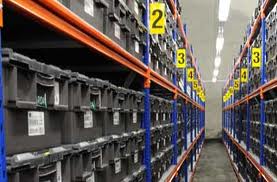
The inside of the Doomsday Seed Vault. If I didn’t know better, I might think that I was in a grocery warehouse in Omaha.

All about plants. In other words, the vault is intended to act as a backup for living crop collections around the world. So what kind of samples were included in this latest birthday gift?

  • Grains from Tajikistan’s Pamir Mountains, including wheat that grows across a wide range of elevations, in hot summers, and harsh, snowy winters. 
  • A variety of wheat, known as Norin-10, which is the source of genes that have given modern wheat plants strong, short stems capable of supporting more grain, contributed by the U.S. Department of Agriculture’s Agricultural Research Service.
  • Several subspecies of barley imported to the U.S. from Poland, and grown in the Pacific Northwest; these subspecies gave rise to modern varieties, including one malting barley called “Klages” that is popular among craft beer brewers.

A massive structure in the side of a mountain, the vault has the capacity to hold 4.5 million seed samples (each with about 500 seeds) for a maximum of 2.25 billion seeds. Located near the village of Longyearbyen, Svalbard — a group of islands north of mainland Norway, the arctic permafrost offers natural freezing for the seeds, while additional cooling brings the temperatures down to minus 0.4 degrees Fahrenheit (minus 18 degrees Celsius).

What about animal foods for our Doomsday needs? A related article explores the seven perfect survival foods—and I agree with six of them. You see, the scientists who prepared the list for LiveScience.com are among most of the world’s brightest who still believe we need to eat animal protein to survive. But at least they demonstrated a sense of humor in their opening paragraph:

Just say NO to bacon—but YES to cantaloupe.

If you could take only seven kinds of food to a deserted island, what would they be? Bacon might top your list, but you won’t have a cardiologist to bail you out when your arteries fill with fat.

Although still uninformed about fish, they do know a thing or two about eating healthy:

Diets benefit from being diverse. U.S. health organizations advocate eating five servings of fruit and vegetables a day. In Denmark the number is six, not because they want to be healthier but because six sounds like the word “sex” in Danish, and the campaign plays on the pun of “sex every day.” The Japanese try to eat 30 different kinds of food each day.

Here’s their list of seven-–including the fish that is on almost everyone’s list thanks to those precious omega-3s. They lead off the list with this introduction:

Sticking just to the following seven foods would likely serve you better than the typical American diet and meet your needs for macronutrients (protein, carbohydrates and fats) and micronutrients (vitamins and minerals).

According to Dr. Fuhrman, this powerful plant food sits atop the nutrient-density chart.

  1. Beans. As with berries, most beans are highly nutritious. Black (turtle), red (kidney), pinto and soy top many nutritionists’ lists of so-called superfoods. This will probably be your best source of calcium and iron on the island. Beans are a versatile island food, too, for once dried the keep for a long time.
  2. Kale. While most leafy green vegetables will do you good, kale is particularly rich in vitamins, minerals and fiber. You can boil the stems for a simple vegetable broth. Kale was bred from wild cabbage, and close cousins include broccoli, Brussels sprouts, cauliflower, cabbage, collard, kohlrabi, mustard and rapini.
  3. Cantaloupe. As with berries, cantaloupe is both tasty and nutritious. Although a little high in sugar, it is too good a source of vitamins A and C and potassium to pass up. Its lack of fat and lower glycemic load index makes cantaloupe a slightly better pick than bananas.
  4. Berries. Blueberries, raspberries, wolf berries … take your pick if they are available for picking. Few foods match berries in flavor, vitamin content and antioxidant potency. To this list add kiwifruit, once called the Chinese gooseberry but changed for marketing reasons. Kiwifruit has more vitamin C than oranges and about as much potassium as a banana. Beware of poisonous berries, such as holly, Franken Berry and Boo Berry. Nasty stuff.
  5. Barley. Could anything be sexier than oats? Yes, it’s barley! Okay, maybe both grains just remind you of Wilford Brimley having a good bowel movement. But barley, more so than oats and other whole grains, lowers “bad” LDL cholesterol levels and raises “good” HDL. As with other grains, barley has essential vitamins (such as niacin and other B vitamins) and minerals (manganese and selenium) that are otherwise not so abundant in fruits. And if you have enough of it on your island, you can brew up some beer or whisky.
  6. Seaweed. Where there’s sea, there’s seaweed. Even the laziest among us can harvest what gets washed up. Kelp, alaria and laver (kombu, wakame and nori in Japanese cuisine) are among the most common. Almost all kinds are edible. Seaweed is loaded with vitamins and minerals. Once dried it will keep of months, too. Seaweed is a regular part of the Asian diet, and most Japanese homes will have four or five kinds on hand. Even if you avoid sushi, you’ve eaten seaweed in ice cream. Irish moss (carrageenan) is a thickening agent.
  7. Fish. Chances are, being on an island, you’ll have fish around. If a river runs through it, and if that river has salmon, then you’re really in luck. Salmon is rich in omega-3 fatty acids, which is good for your heart. Any fish, though, is a good source of healthy fat and protein. Best of all, you can eat most ocean fish raw, in case you forgot to bring your top seven favorite Zippo lighters. 

    I know it’s 75% fat, but in survival mode, I am going be burning a lot of calories and I can eat just so much kale. I say YES to avocado.

Avocado. My substitute for fish. In survival mode, there will be none of the harmful omega-6s in my diet; therefore, I am simply not worried about getting my omega-3s or I would’ve chosen walnuts as my substitute. (The ratio of omega-3 to omega-6 is most important.)

The Tarahumara don’t eat fish and they seem to be doing just fine without them. Still worried about omega-3? Well, just substitute walnuts for the seaweed, I doubt that you’re eating much of that anyway.

In closing, here are the two reference articles mentioned earlier.

The CBS News Doomsday Vault Article

7 Perfect Survival Foods | LiveScience.

Follow us on Facebook and Twitter. Want to receive some occasional special news from us? You may wish to Join our periodic mailing listFor daily updates you can choose to “FOLLOW” at the top of the right column>>>>>>>>>>>>

Also, for help in your own quest to take charge of your health, you might find some useful information at our 4Leaf page or some great recipes at Lisa’s 4Leaf Kitchen. Got a question? Let me hear from you at jmorrishicks@me.com.

If you’d like to order our book on Amazon,  visit our BookStore now.

J. Morris Hicks, working daily to promote health, hope and harmony on planet Earth.

From the seaside village of Stonington, Connecticut – Be well and have a great day.

—J. Morris Hicks…blogging daily at HealthyEatingHealthyWorld.com

SHARE and rate this post below…One more thing, occasionally an unauthorized ad may appear beneath a blog post. It is controlled by WordPress (a totally free hosting service). I do not approve or personally benefit whatsoever from any ad that might ever appear on this site. I apologize and urge you to please disregard.

J. Morris Hicks — Member of the Board of Directors — Click image to visit the foundation website.
Posted in Health in General | 3 Comments

2 words for health beats 1,083 words for “miracle diet.”

Whole Plants!

AP article uses 1083 words and simply adds to the confusion.

But we use the magic two words—Whole Plants. Not only do those two words result in delivering your body’s ideal weight, they also promote vibrant health, reverse chronic disease, and end the grossly wasteful, damaging, cruel and unsustainable Western diet of meat, dairy, eggs, white flour, sugar, salt and fat three meals a day.

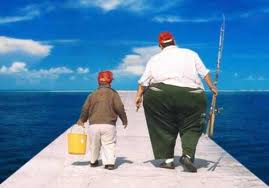
They say obesity runs in the family—so do unhealthy diets that cause obesity.

The 1083-word article by Matthew Perrone (see link below to 2-24-11 article) begins by tracing the history of “miracle” pills in the United States. Here’s the worst case ever:

Perhaps the worst diet pill safety debacle came in the 1990s and involved the combination of phentermine and another weight loss drug marketed by Wyeth called fenfluramine. The combination of the two pills, dubbed fen-phen, was never approved by the FDA. But because the agency doesn’t regulate doctors’ decisions about prescribing various combinations of drugs, more than 18 million fen-phen prescriptions were written by 1996.

One year later, studies suggested that up to a third of patients taking fen-phen experienced heart valve damage. In 1997, Wyeth was forced to recall two versions of fenfluramine and eventually paid more than $13 billion to settle tens of thousands of personal injury lawsuits.

The article went on to say that “Most drugmakers now are focusing on medications that block brain signals associated with food craving and appetite. Vivus’ Qnexa is one of a trio of drugs seeking FDA approval. The diet pill, which was initially rejected due to the risks of heart palpitations and other safety issues, is a combination of two older drugs.”

So we now have more than 75 million obese adults in the United States and more people are joining this not-so-exclusive club everyday. Meanwhile scientists have been struggling to create that magic diet pill for nearly a century, according to the article. Don’t become dependent on these pills and if you need to, seek the advice of great drug rehab facilities for guidance.

Obesity has become the new norm. I will be traveling to Georgia and Alabama next week and am sure that I will be seeing a lot more obesity than I usually see here in CT. Oh, we have plenty of obesity here, but not so much in the little seaside village of Stonington that I call home. But I always notice it more when I travel—in the airports, on the planes, on the car rental bus and in other public places. And I always feel sorry for the people—because I really don’t think that their obesity is their fault. How so?

Because the average American is confused—and becomes more confused everyday. And the people that we would normally rely on to clear up the confusion are letting us down—our doctors, scientists, food companies, pharmaceutical companies and media. With a mountain of scientific and clinical evidence supporting the whole foods, plant-based diet for humans—that word is simply not being communicated.

Lisle and Goldhamer’s book which I highly recommend

In Chapter 1 in our book, we explained how most humans in the Western world of the 21st century are the victim of what Doug Lisle and Alan Goldhamer refer to as the “Pleasure Trap.” They are referring to a phenomenon whereby all creatures follow a motivational triad in their lives—seeking pleasure, avoiding pain and conserving energy. So we’re naturally attracted to calorically-dense foods, but until recently, those foods weren’t available in great quantities. From Chapter 1 in our book… 

Animal foods that were eaten only on rare, festive occasions gradually became more available—so much so that by the end of that century, the typical Western diet provided several forms of animal foods at almost every meal.

So when your child says that he prefers pizza to broccoli, he is just following his natural motivational triad. He doesn’t yet know that cheese-laden pizza is not good for his health; he just knows that he likes it. This is what the “pleasure trap” is all about. We’re following our natural instinct to seek pleasure, but we’re exercising this instinct in an unnatural world—a world full of unhealthy choices everywhere we go.

The article goes on to chronicle the past 100 years of fruitless efforts to solve obesity problem with a pill. One example took place in the ‘50s and ‘60s according to the article. “Amphetamines became popular drugs because they boost metabolism and suppress appetite. But the pills proved to be highly addictive, and doctors discovered they increase blood pressure and heart rate. The amphetamine phentermine is approved for short-term weight loss, usually less than 12 weeks, though it is seldom prescribed because of the potential for addiction.”

Leveraging the simple, yet powerful concept of maximizing the percent of your calories from whole plant-based foods. For vibrant health and effortless weight-loss.

The article quotes many of today’s experts in this 1083-word article, but apparently none of those experts have read The China Study. Because not one of them in the article recommend what Esselsytn, Campbell, McDougall, Fuhrman, Barnard and Ornish know to be true…

If one eats a near optimal diet of over 80% of their calories coming from whole plants—in addition to taking charge of their own health, their bodies will gradually seek their ideal weight.

(See AP article beneath my signature)

**************************

Follow us on Facebook and Twitter. Want to receive some occasional special news from us? You may wish to Join our periodic mailing listFor daily updates you can choose to “FOLLOW” at the top of the right column>>>>>>>>>>>>

Also, for help in your own quest to take charge of your health, you might find some useful information at our 4Leaf page or some great recipes at Lisa’s 4Leaf Kitchen. Got a question? Let me hear from you at jmorrishicks@me.com.

If you’d like to order our book on Amazon,  visit our BookStore now.

J. Morris Hicks, working daily to promote health, hope and harmony on planet Earth.

From the seaside village of Stonington, Connecticut – Be well and have a great day.

—J. Morris Hicks…blogging daily at HealthyEatingHealthyWorld.com

Miracle diet pill? A safe drug is elusive | Associated Press (published 2-24-12)

SHARE and rate this post below…One more thing, occasionally an unauthorized ad may appear beneath a blog post. It is controlled by WordPress (a totally free hosting service). I do not approve or personally benefit whatsoever from any ad that might ever appear on this site. I apologize and urge you to please disregard.

J. Morris Hicks — Member of the Board of Directors — Click image to visit the foundation website.
Posted in Weight-Loss | 4 Comments

Sunny Acres Farms—Home of Happy Farm Animals

Our children probably think that pigs have a pretty nice life.

Delicate topic—but necessary

Our book has eleven chapters—and one of them is entitled “Hell on Earth.” We chose that title because it best describes the entire lives of the 60 billion food animals that we humans consume each year on this planet.

Granted, most people believe that we truly “need” to eat animal protein, and they’re really not interested in learning all about what goes on behind the scenes to deliver that meat to their plates three meals a day.

But, what if everyone did know that we don’t actually “need” to eat meat? What if they knew that by eating mostly whole plants that they could reverse their own heart disease and/or type 2 diabetes? What if they also knew about the staggering impact our meat and dairy habit is having on our natural resources?

John Robbins, one of my greatest heroes since 2003; the author of Diet for a New America and many other eye-opening books

If they knew all of the above, they might very well be more interested in exactly what goes on behind the scenes. But, most people today simply have no idea.

So in our book, we tried to gently share some disturbing information without driving them away. We included a quote by John Robbins in Chapter 7—a quote that might help people better understand what life is like for 99% of the laying hens in the USA:

Picture yourself standing in a crowded elevator. The elevator is so crowded, in fact, that your body is in contact on all sides with other bodies. Even to turn around in place would be difficult. And one more thing to keep in mind—this is your life. It is not just a temporary bother, until you get to your floor. This is permanent. Your only release will be at the hands of the executioner.

Two-minute video. One more thing before we share the following “Sunny Acres” video with you. After 393 consecutive days of blogging, there have only been fifteen posts that deal with the suffering of our food animals—less than 4% of my blogs. We don’t dwell on this topic all the time—but that doesn’t mean that it is any less important.

And don’t kid yourself, free range and grass fed are almost non-existent—accounting for around 1% of the total of all the animals that we eat. For the other 99%, this is a short story of their lives at the delightful Sunny Acres Farms. (Want to learn about a zillion more facts on this horrible topic, read Eating Animals by Jonathan Saffron Foer).

Welcome to Sunny Acres Farms

Can’t imagine yourself in that situation? Try imagining your children in there–for their entire lives.

Want to receive some occasional special news from us? You may wish to Join our periodic mailing listFor daily updates (receiving a notice of each new blog), you can choose to “FOLLOW” this blog at the top of the right column.

Thanks go out to Rory Freedman, co-author of Skinny Bitch, for sharing the above video with me. You can follow her on Twitter @RoryFreedman

Also, for help in your own quest to take charge of your health, you might find some useful information at our 4Leaf page or some great recipes at Lisa’s 4Leaf Kitchen. Got a question? Let me hear from you at jmorrishicks@me.com.

If you’d like to order our book on Amazon,  visit our BookStore now.

J. Morris Hicks, working daily to promote health, hope and harmony on planet Earth.

And if you like what 4Leaf eating is doing for you and your family, you might enjoy visiting our new “4Leaf Gear” store. From the seaside village of Stonington, Connecticut – Be well and have a great day.

—J. Morris Hicks…blogging daily at HealthyEatingHealthyWorld.com

SHARE and rate this post below…One more thing, occasionally an unauthorized ad may appear beneath a blog post. It is controlled by WordPress (a totally free hosting service). I do not approve or personally benefit whatsoever from any ad that might ever appear on this site. I apologize and urge you to please disregard.

J. Morris Hicks -- Member of the Board of Directors -- Click image to visit the foundation website.

Posted in Suffering of Animals, Video Included | 3 Comments