Are you a colonoscopy customer?

Not me; I just said NO—to this $60 billion business.

Last week, the New York Times published an article about the “major colonoscopy bills” that people are facing these days. In an article of well over one thousand words (See link below), there was not a single mention of how one might work on preventing cancer instead of detecting it.

The article began by describing the nightmare suffered by a couple in Long Island when they realized that their “insurance plan” didn’t cover the anesthesiologist’s bill of $1600. From the article:

Patients who undergo colonoscopy usually receive anesthesia of some sort in order to “sleep” through the procedure. But as one Long Island couple discovered recently, it can be a very expensive nap.

Both husband and wife selected gastroenterologists who participated in their insurance plan to perform their cancer screenings. But in both cases, the gastroenterologists chose full anesthesia with Propofol, a powerful drug that must be administered by an anesthesiologist, instead of moderate, or “conscious,” sedation that often gastroenterologists can administer themselves.

At the end of the article, readers were asked to hear about their own experience with colonoscopy. Here is what I posted beneath the article, the 700th comment posted:
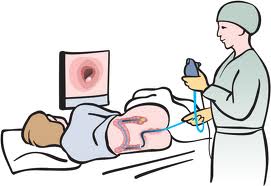
While this procedure may be right for millions, I decided that it was not right for me.

My experience with colonoscopy? Nada. Now 67, I made the decision long ago to take a different approach when it came to taking care of my colon. I decided to work on lowering my risk of cancer instead of routinely submitting myself to an expensive, unpleasant and sometimes risky procedure of detecting the disease.

See my disclaimer under image>

According to my calculations, our annual colonoscopy bill in the United States is $60 billion. While doing research last year for our book, I learned that the risk of dying of colon cancer is 7% in the United States. So my question is this:

If the risk of dying of colon cancer was less than 1%, would we still have a $60 billion industry to screen for it? I think not.

It’s all about the risk. If the risk goes down, there is less need for screening, and the business gets smaller. How do we make the risk go down? We have known for many years about entire cultures of people who eat mostly whole plants their entire lives—and their risk of having cancer of any kind approaches zero.
With over 80% of my calories from whole plants, I believe that I have greatly lowered my risk of chronic disease.

So in 2002, I shifted to a diet whereby I derive over 80% of my daily calories from whole plants. In doing so, I believe that I have greatly lowered my risk of colon cancer and all other chronic diseases at the same time. Sadly, the average American gets less than 10% of their calories from foods that Nature intended for us to eat.

Risk of injury. There is one other risk that I should mention–the risk of suffering injury or even death as a result of the procedure. According to my research, this happens over 60,000 times per year (less than 1/2 of one percent) in the USA. Some of them report for the procedure perfectly healthy and leave the clinic with a perforated colon that must be repaired. And some never leave the clinic alive.

Money. But our medical system continues to focus on detection instead of true prevention. That would mean focusing on the causes, like our toxic diet, which Dr. T. Colin Campbell says is the leading cause of cancer in the USA. But there are 30 million jobs depending on us staying sick and not much money to be made if we all suddenly attained “vibrant health.” —-J. Morris Hicks

For your convenience, here are two of my earlier posts on this subject along with a link to the full NY Times article:

Want to lower your risk of all chronic disease, including all cancers? Then learn how to provide your body with natural protection by simply eating what nature intended for us to eat in the first place—whole plants.

Handy 3-piece take-charge-of-your-health kit—from Amazon.com

Want to find out how healthy your family is eating? Take our free 4Leaf Diagnostic Survey. It takes less than five minutes and you can score it yourself. After taking the survey, please give me your feedback as it will be helpful in the development of our future 4Leaf app for smartphones. Send feedback to jmorrishicks@me.com

International. We’re now reaching people in over 100 countries. Follow us on Facebook and Twitter or get daily blog notices by “following” us in the top of the right-hand column. For occasional updates, join our periodic mailing list.

To order more of my favorite books—visit our online BookStore now

J. Morris Hicks, working daily to promote health, hope and harmony on planet Earth.

For help in your own quest to take charge of your health, you might find some useful information at our 4Leaf page or some great recipes at Lisa’s 4Leaf Kitchen.

Got a question? Let me hear from you at jmorrishicks@me.com. Or give me a call on my cell at 917-399-9700.

SHARE and rate this post below.

Blogging daily at hpjmh.com…from the seaside village of Stonington, Connecticut – Be well and have a great day.

—J. Morris Hicks, board member, T. Colin Campbell Foundation
Posted in Cancer, Colon Health, Prevention | 3 Comments

Do vegans ever get cancer?

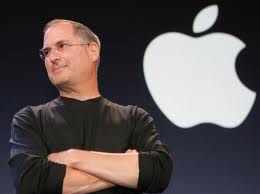
Yes, and Steve Jobs was one of them—but not all vegans are equal.

If you do an internet search, you will find a wide range of opinion and a great deal of confusion on this subject. The problem is with the definition of the terms vegetarian and vegan. They mean different things to different people.

The word vegan only partially explains what a person is “not” eating—and does very little when it comes to clarifying what someone is eating. Just avoiding all animal products is not necessarily going to afford you with much protection against cancer or any other chronic disease. The key is deriving more and more of your calories from the healthiest of foods—whole plants: lots of greens, legumes, vegetables, grains, fruits, nuts and seeds.

BSB Word 2 pdf Ad

While mainstream sources like Dr. William Sears (see link below) strongly endorse a mostly plant-based diet, there are many other sources who disagree. Here’s an excerpt from the Dr. Sears website:

Are vegetarians really healthier in the long-run? Absolutely, positively, yes! Even though nutritionists seem to disagree on many topics, all agree that plant-eaters and fish-eaters tend to live longer and healthier lives than do animal eaters. In every way, the brocolli-munchers tend to be healthier than the beef-eaters:

Vegetarians have a lower incidence of cancer, especially colon, stomach, mouth, esophagus, lung, prostate, bladder, and breast cancers. The protection against intestinal cancers is probably due to the fiber in a plant-based diet.

Dr. Sears goes on to quote a number of large studies that back up his claims about vegetarians being healthier overall, including a lower risk of cancer. So the answer is yes, some vegans get cancer—but less frequently than do the meat-eaters. We all know that Steve Jobs (self-described vegan) died of pancreatic cancer but we don’t know what version of the vegan diet he followed. 

Sadly Steve Jobs died of pancreatic cancer; you can read a lot more about his situation on the earlier blog with a link provided above.

My observation is that most vegans and vegetarians eat far too much processed foods, they consume too much fat and sugar, and they regularly consume vegetable oil.

And even though they may be consuming zero animal products, they’re deriving less than 20% of their calories from whole, plant-based foods–still in nature’s package. I doubt that many of them consume enough whole, plant-based foods to afford them much protection against chronic disease.

On the other hand, there are a number of cultures in the world that have a near zero incidence of cancer—or any other chronic disease. And unlike the typical “vegetarian” in the USA, they all derive the vast majority of their calories from whole plant-based foods—just like someone who eats at the 4Leaf level on our scale. We featured five of these peoples in our book: Abkasians, Vilcabamba, Hunza, Papua Highlanders and finally, the Tarahumara of Mexico.

Survey Image jpg How HealthyWhen I administer our 4Leaf Survey at vegetarian gatherings, I routinely see vegans who are getting less than ten percent of their calories from whole plants.

They’re eating too much processed foods, too much bread and pasta, too much sugar and too much oil. Whereas, by including more whole plants in their diet, they may give themselves the best possible chance of completely avoiding all chronic deceases.

As Dr. Sears said:

In fact, vegetarians have a lower incidence of nearly all intestinal diseases and discomforts, especially constipation and diverticulosis. The phytonutrients in plant foods, especially antioxidants, flavanoids, and carotenoids, may also contribute to protection against cancer.

On the Dr. Sears website: 12 Frequently Asked Questions About the Vegetarian Diet

The bottom line. Since our “mainstream” system still does not tell us exactly how we can prevent, slow, stop or reverse chronic disease, we must all decide for ourselves. My preference is well-documented on this site and follows the mountain of scientific and clinical evidence for a whole foods, plant-based diet. Dr. Campbell, Dr. Esselstyn, Dr. Barnard, Dr. McDougall and others make it very clear in the Forks Over Knives movie and in their books.

Handy 5-piece take-charge-of-your-health kit—from Amazon.com

Why should we be eating mostly plants? The “big picture” in 4 minutes.

Want to find out how healthy your family is eating? Take our free 4Leaf Survey. It takes 2 or 3 minutes and you can score it yourself. After taking the survey, please give me your feedback as it will be helpful in the development of our future 4Leaf app for smartphones. Send feedback to jmorrishicks@me.com

International. We’re now reaching people in over 100 countries. Follow us on Facebook and Twitter or get daily blog notices by “following” us in the top of the right-hand column. For occasional updates, join our periodic mailing list.

J. Morris Hicks, working daily to promote health, hope and harmony on planet Earth.

To order more of my favorite books—visit our online BookStore now

For help in your own quest to take charge of your health, visit our 4Leaf page and also enjoy some great recipes from Lisa’s 4Leaf Kitchen.

Got a question? Let me hear from you at jmorrishicks@me.com. Or give me a call on my cell at 917-399-9700.

—J. Morris Hicks, board member since 2012; click banner for more info:

Nutrition Certificate

Posted in Activism & Leadership, Cancer, Celebrities | 17 Comments

Healthy eating can cost less, study finds.

Finally some good news about healthy eating

I was delighted to see an article on Fox last week about the cost-benefits of eating healthy foods. They even made some great points that I have made in earlier blogs on this topic. From the article (see link below):

An Agriculture Department study released Wednesday found that most fruits, vegetables and other healthy foods cost less than foods high in fat, sugar and salt. That counters a common perception among some consumers that it’s cheaper to eat junk food than a nutritionally balanced meal.

The government says it all depends on how you measure the price. If you compare the price per calorie – as some previous researchers have done – then higher-calorie pastries and processed snacks might seem like a bargain compared with fruits and vegetables.

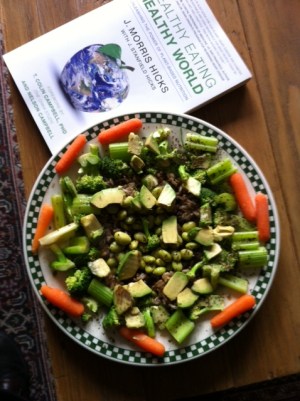
My almost daily Sailors Super Lunch. Check out the bright green edamame on top.

Well, I did an analysis of price per calorie and was pleased to find that I save at least $3,600  per year by eating a mostly whole foods, plant-based diet. Sure, there are some cheap calories out there in the world of fast food, but there are also some real bargains in the world of whole, plant-based foods.

For example, take my almost daily side order of rice and beans. Not just any rice and beans—but rather a delightful blend of wild rice, brown rice, red beans and black beans. (For recipe, see my Sailors Super Lunch.)

How much does it cost? About 15 cents for a 100-calorie serving or 30 cents for 200 calories. By comparison, a Big Mac costs more than four times as much for the same number of calories. I make up a large batch about once a week, divide it into seven individual servings and pop them in the freezer. By keeping two un-frozen servings at the ready, I can usually prepare my super healthy lunch in less than five minutes.

But, as the article pointed out, cost per calorie isn’t everything.

“Using price per calorie doesn’t tell you how much food you’re going to get or how full you are going to feel,” said Andrea Carlson, scientist at the USDA’s Economic Research Service and an author of the study.

For example, eating a chocolate glazed donut with 240 calories might not satiate you but a banana with 105 calories just might.

“Cheap food that provides few nutrients may actually be `expensive’ for the consumer from a nutritional economy perspective, whereas food with a higher retail price that provides large amounts of nutrients may actually be quite cheap,” the study said.

The USDA study criticizes a 2010 report from researchers at the University of Washington, which found that calorie-for-calorie junk food is more cost-effective for low-income people than eating healthy.

Saving money at every meal with your knife and fork. With vibrant health as a goal, saving money and losing weight are just fringe benefits.

So how do I save $3,600 a year? Actually that’s how much I save on the meals that I eat in restaurants. Being a single man working out of my home, I enjoy going out to dinner most nights. And I typically find that my custom-ordered, plant-based entree costs about $10 less than others on the menu. At thirty restaurants meals per month, that’s $300 a month or $3,600 a year.

What could be better? Taking charge of your health and saving a ton of money at the same time. For less than $36, you can learn how to take charge of your health for the rest of your life. If you also count saved medical expenses, nursing homes and the like—for a family of four, you might save a half million dollars in the next 40 years.

Handy 3-piece take-charge-of-your-health kit—from Amazon.com

One sad point that should be mentioned. In the lower income sections of most major cities, people have almost zero access to healthy foods. So their cheapest calories are fast foods and junk grocery items. And this is why the rates of diabetes and and obesity are highest in those areas. A social issue that must be addressed.

Want to find out how healthy your family is eating? Take our free 4Leaf Diagnostic Survey. It takes less than five minutes and you can score it yourself. After taking the survey, please give me your feedback as it will be helpful in the development of our future 4Leaf app for smartphones. Send feedback to jmorrishicks@me.com

International. We’re now reaching people in over 100 countries. Follow us on Facebook and Twitter or get daily blog notices by “following” us in the top of the right-hand column. For occasional updates, join our periodic mailing list.

To order more of my favorite books—visit our online BookStore now

J. Morris Hicks, working daily to promote health, hope and harmony on planet Earth.

For help in your own quest to take charge of your health, you might find some useful information at our 4Leaf page or some great recipes at Lisa’s 4Leaf Kitchen.

Got a question? Let me hear from you at jmorrishicks@me.com. Or give me a call on my cell at 917-399-9700.

SHARE and rate this post below.

Blogging daily at hpjmh.com…from the seaside village of Stonington, Connecticut – Be well and have a great day.

—J. Morris Hicks, board member, T. Colin Campbell Foundation

Posted in Cost of Food | 1 Comment