Thinkin’ about drinkin’—here’s my take on beverages.

Cheers! Here’s to your health!

After 467 consecutive daily blogs, this is my first post about beverages. My top ten list shown here includes four in the healthy category and six in the not-so-healthy column. Occasionally, we hear some good news about our coffee or alcohol, but generally the report card is not that good when it comes to some of our favorite beverages.

Here is my Top Ten List—ranked in order of health—in my opinion

Smoothies are a great way to ‘eat’ some vegetables that you may not enjoy by themselves.

1. Whole plant smoothie (fruit, veggie, nuts, seeds, etc.) This is a 100% healthy drink with nothing but whole plants in liquid form. Still has all the fiber and nutrients with no added ingredients. Definitely a 4Leaf meal in a glass.*

2. Water and/or herbal tea. We hear people recommending a certain number of glasses of water per day. It all depends on how much water you’re eating—and if you’re eating at the 4Leaf level, you’re eating a lot of water. I just drink water when I feel like it, beginning with the very first thing that enters my stomach each morning. With regards to the herbal tea, I am obviously talking about tea with no caffeine and nothing added.

3. Fresh fruit and/or vegetable juice. When I first started learning about nutrition in 2002, I was doing a whole lot of juicing. But when I started thinking in terms of maximizing my consumption of whole plants, I realized that I had probably thrown away 1,000 pounds of fiber during those first few years. Even without the fiber, we all know that fresh juice is very good for our bodies.

4. Milk substitutes, unsweetened (rice, almond, soy, oat, etc.) Most of the these milks are used for adding to our coffee, tea or breakfast cereal. I use a mixture of vanilla flavored almond and water on my oatmeal each day, but I am just as happy with a mixture of fruit juice or smoothie. If we had never started drinking cow’s milk in the first place, these kinds of drinks may not even exist.

Now for the not-so-healthy

5. Coffee and/or tea (without sugar or cream). Okay, I know it’s not good for me so I decided to cut way back on this morning habit. My average consumption now is one small Starbucks Pike Place, black. Prior to 2002, I was drinking four times as much. See Greger video below on coffee. As for the tea, I am talking about any tea with caffeine—not herbal tea mentioned above.

6. Packaged fruit or veggie juices. These are pretty much sugar drinks nowadays and are probably no better than soft drinks. You should work with your kids to find a ‘smoothie’ formula that they LOVE. Then give it to them everyday—and stop buying this not-so-healthy choice.

7. Infant formula—have you checked the ingredient lately? Pretty scary stuff, see my analysis below with an ingredient list from one of the big three brands.

8. Soft drinks (with or without sugar). No explanation needed here; zero nutritional value.
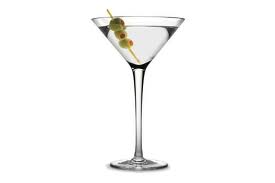
9. Alcohol (wine, beer, vodka, gin, etc.) — See McDougall video below. I didn’t have my first alcoholic beverage until I was 21; and at one point in my life, I consumed quite a bit more than I do today. I agree with Dr. McDougall, this stuff is not good for you, but it’s okay as long as it doesn’t become a problem for you or anyone else.  If by chance you or someone you know does take drinking alcohol to the extreme, a Florida alcohol rehab treatment center would be worth looking into, and attending.

10. Cow’s milk. Unfit for human consumption at any age; it is associated with heart disease, cancer, & diabetes. It contains casein, the most powerful carcinogen ever discovered, according to T. Colin Campbell. Read Nigel’s “Beware the Sacred Cow” piece.

*As for our 4Leaf score, beverage #1 wins by a score of 100 to zero when compared to any of the other nine beverages. It is the only one that has ANY whole plants.

 Dr. Michael Greger on Coffee (#5 on my list)

Here’s what Dr. Michael Greger had to say about coffee—beginning with the good news:

Each daily cup o’ joe was associated with about a 3% reduced risk of cancers, especially bladder, breast, mouth, colorectal, endometrial, esophageal, liver, leukemic, pancreatic, and prostate cancers. BUT, before you triple your daily dose, read about the down side:

Some health conditions may be worsened by coffee, such as insomnia, anxiety, gastroesophageal reflux (heartburn), high blood pressure, and certain heartbeat rhythm irregularities. There are also compounds in coffee that increase cholesterol levels, but are effectively removed when filtered through paper, so drip coffee is preferable to boiled, French press and espresso. Pregnant women should restrict caffeine consumption to less than two cups of coffee a day.

And here’s his one-minute video on Coffee & Cancer

The New York Times had a piece about the benefits of coffee this week (5-16-12)

Now for Infant Formula at #7—scoring slightly better than soft drinks, alcohol & cow’s milk

Be sure to check the ingredient list.

Have you taken a look at the ingredients list lately? It doesn’t matter which brand you’re looking at, they’re all pretty scary. Unable to breast feed your newborn? Then find an enlightened MD to help work out a truly healthy way for you to feed that precious child. Here’s what most babies are getting today—and the collective impact on their future health is unknowable data.

WHEY PROTEIN CONCENTRATE (FROM COW’S MILK, ENZYMATICALLY HYDROLYZED, REDUCED IN MINERALS), VEGETABLE OILS (PALM OLEIN, SOY, COCONUT, AND HIGH-OLEIC SAFFLOWER OR HIGH-OLEIC SUNFLOWER), CORN MALTODEXTRIN, LACTOSE GALACTO-OLIGOSACCHARIDES*, AND LESS THAN 2% OF: POTASSIUM CITRATE, POTASSIUM PHOSPHATE, CALCIUM CHLORIDE, CALCIUM PHOSPHATE, SODIUM CITRATE, MAGNESIUM CHLORIDE, FERROUS SULFATE, ZINC SULFATE, SODIUM CHLORIDE, COPPER SULFATE, POTASSIUM IODIDE, MANGANESE SULFATE, SODIUM SELENATE, M. ALPINA OIL**, C. COHNII OIL***, SODIUM ASCORBATE, INOSITOL, CHOLINE BITARTRATE, ALPHA-TOCOPHERYL ACETATE, NIACINAMIDE, CALCIUM PANTOTHENATE, RIBOFLAVIN, VITAMIN A PALMITATE, PYRIDOXINE HYDROCHLORIDE, THIAMINE MONONITRATE, FOLIC ACID, PHYLLOQUINONE, BIOTIN, VITAMIN D3, VITAMIN B12, TAURINE, NUCLEOTIDES (CYTIDINE 5′-MONOPHOSPHATE, DISODIUM URIDINE 5′-MONOPHOSPHATE, ADENOSINE 5′-MONOPHOSPHATE, DISODIUM GUANOSINE 5′-MONOPHOSPHATE), ASCORBYL PALMITATE, MIXED TOCOPHEROLS, L-CARNITINE, SOY LECITHIN.

  • *A prebiotic fiber sourced from milk.
  • **A source of arachidonic acid (ARA).
  • ***A source of docosahexaenoic acid (DHA).

McDougall on Alcoholic Beverages

Like soft drinks or coffee, we know that the less we drink of these the better. Even though they are all plant-based (Thank God), they have a No-Leaf score on our 4Leaf system. The good news about alcohol; unless it becomes a problem for someone, is this:

  1. It’s probably better for adults than infant formula is for babies.
  2. It’s definitely better for adults than cow’s milk, which is associated with heart disease, cancer, & diabetes. It contains casein, the most powerful carcinogen ever discovered, according to Dr. T. Colin Campbell.

Two minute video from Dr. McDougall

Cheers, and have a great weekend!

Want to find out how healthy your family is eating? Take our free 4Leaf Diagnostic Survey. It takes less than five minutes and you can score it yourself. After taking the survey, please give me your feedback as it will be helpful in the development of our future 4Leaf app for smartphones. Send feedback to jmorrishicks@me.com

International. We’re now reaching people in over 100 countries. Follow us on Facebook and Twitter or get daily blog notices by “following” us in the top of the right-hand column. For occasional updates, join our periodic mailing list.

If you’d like to order our book on Amazon,  visit our BookStore now.

J. Morris Hicks, working daily to promote health, hope and harmony on planet Earth.

For help in your own quest to take charge of your health, you might find some useful information at our 4Leaf page or some great recipes at Lisa’s 4Leaf Kitchen.

Got a question? Let me hear from you at jmorrishicks@me.com. Or give me a call on my cell at 917-399-9700.

SHARE and rate this post below.

Blogging daily at hpjmh.com…from the seaside village of Stonington, Connecticut – Be well and have a great day.

—J. Morris Hicks, board member, T. Colin Campbell Foundation
Posted in Beverages (all), Healthy Eating 101 | 3 Comments

Alzheimer’s Prevention (with drugs)—the big story this week

Another magic bullet from from our dysfunctional disease care “system.”

It was one of the lead stories in the May 15 New York Times (See link below), on the NBC Evening News on 5-15-12, on the CBS Morning News and most every other news agency in the United States. Yet, I have yet to see or hear a single mention of what it takes to prevent Alzheimer’s Disease in the first place. The New York Times article led off:

In a clinical trial that could lead to treatments that prevent Alzheimer’s, people who are genetically guaranteed to develop the disease — but who do not yet have any symptoms — will for the first time be given a drug intended to stop it, federal officials announced Tuesday.

Even though the study is probably five years from completion and lots of questions are still unanswered—it’s as if this is the savior for this terrible disease that we’ve all been wanting to see. It’s just like the magic bullets for obesity that the public wants. These kinds of stories always make big news, yet progress in preventing diseases like cancer and Alzheimer’s seems to be forever out of reach. From the Times article:

The $100 million study will last five years, but sophisticated tests may indicate in two years whether the drug helps delay memory decline or brain changes, said Dr. Eric M. Reiman, executive director of the Banner Alzheimer’s Institute in Phoenix and a study leader.

Alzheimer’s Action Plan. Read Chapter 10, start eating whole plant foods, share your story with people that you care about.

Powerful treatment available now. Meanwhile, Dr. T. Colin Campbell and other scientists have been talking about another solution for Alzheimer’s for a long time. And just a few months ago, Dr. Michael Greger published one of his highly-informative video blogs on this topic. As for Dr. Campbell, he mentioned it frequently in The China Study (January 2005), shedding a great deal of light on this mysterious subject—near the end of Chapter 10, entitled Wide-Ranging Effects: Bone, Kidney, Eye and Brain Diseases

A study of more than 5,000 people found that greater dietary fat and cholesterol intake tended to increase the risk of Alzheimer’s disease specifically, and all dementia in general.

In another study on Alzheimer’s, the risk of getting the disease was 3.3 times greater among people whose blood folic acid levels were in the lowest one-third range and 4.5 times greater when blood homocysteine levels were in the highest one-third. What are folic acid and homocysteine?

Folic acid is a compound derived exclusively from plant-based foods such as green and leafy vegetables. Homocysteine is an amino acid that is derived primarily from animal protein. This study found that it was desirable to maintain low blood homocysteine and high blood folic acid. In other words, the combination of a diet high in animal-based foods and low in plant-based foods raises the risk of Alzheimer’s disease.

Why is the above info not on the big news programs? This information was shared with the public in Dr. Campbell’s book over seven years ago. It has since been read by over a million people—and one of them was President Bill Clinton. And he discovered that the same treatment (eating whole plants) that cured his heart disease could also play a big role in preventing him from ever having dementia.

Why is that story not in the news every day? It’s because the pharmaceutical and food companies are paying for the ads and bringing you the news. And we all know, there’s just not much money to be made by everyone getting healthy.

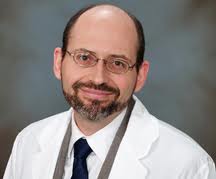
Meet Dr. Michael Greger. On his site at nutritionfacts.org, Dr. Greger reported on the prevention of Alzheimer’s, now the sixth leading cause of death in the USA. Who is Dr. Greger?

Michael Greger, M.D., posted Alzheimer’s video on his new website yesterday 9-6-11.

Michael Greger, M.D., is a physician, author, and internationally recognized speaker on nutrition, food safety, and public health issues.  A founding member of the American College of Lifestyle Medicine, Dr. Greger is licensed as a general practitioner specializing in clinical nutrition. Currently he serves as the Director of Public Health and Animal Agriculture at the Humane Society of the United States. Dr. Greger is a graduate of the Cornell University School of Agriculture and the Tufts University School of Medicine.

In an article that he posted on VegSource.com back in September of 2011, Dr. Greger states:

We’ve known for almost 20 years that compared to long-time vegetarians, those eating meat (including poultry and fish) appear to have three times the risk of developing dementia. Since studies show “even moderately elevated cholesterol increased dementia risk,” the cognitive impairment more often seen in those eating meat may be due to atherosclerotic plaque building in the brain’s blood vessels, which can cause micro-infarctions or “ministrokes” that can kill off little parts of the brain the way clogged coronary arteries can kill off parts of the heart during a heart attack.

Leveraging the simple, yet powerful concept of maximizing the percent of your calories from whole plant foods — still in nature’s package. Click on image for more information.

Later in the VegSource article, he made a point that sounded almost like he was talking about our 4Leaf Program, saying that “New evidence suggests that simply avoiding animal products may be only part of the puzzle. Maybe it’s not just what vegetarians don’t eat, but what they do eat, including the phytonutrients found in plant-based diets have been shown to have a wide range of beneficial effects.”

We’ve been eating the wrong food for so long, we’ve lost sight of the magic of nature that can occur when we simply eat the natural diet for our species — the diet that Nature intended for us to eat. We now know that heart disease and type 2 diabetes can be reversed in over 90% of the cases; maybe there’s great hope for the victims of cancer and Alzheimer’s as well.

Now for Dr. Greger’s 90-second Video on Alzheimer’s

Meanwhile back to the New York Times article and all the excitement over a “magic bullet” solution that won’t be available for at least another five years.

Alzheimer’s experts not involved in the study said that though only a small percentage of people with Alzheimer’s have the genetic early-onset form that affects the Colombian family, the trial was expected to yield information that could apply to millions of people worldwide who will develop more conventional Alzheimer’s.

Ask your doctor if waiting five years for a possible wonder drug is right for you? Then ask if she/he has read The China Study. If not, get a new doctor.

Conventional Alzheimers? You mean, like the kind that Dr. Campbell and Dr. Greger are talking about? I have a few questions for the medical doctors who are counseling the millions of people worldwide:

  1. Have you read The China Study?
  2. Have you ever counseled a dementia patient to move as rapidly as possible to a diet of whole plants with zero animal products?
  3. For families at risk, have you counseled your patients about the miraculous benefits of eating whole plant foods when it comes to dementia?
  4. Are you more excited about the new drug trial than you are about the proven power of plant-based nutrition to minimize the risk of Alzheimer’s?
  5. What kind of diet are you eating?

Links for your convenience

Want to find out how healthy your family is eating? Take our free 4Leaf Diagnostic Survey It takes less than five minutes and you can score it yourself. After taking the survey, please give me your feedback as it will be helpful in the development of our future 4Leaf app for smartphones. Send feedback to jmorrishicks@me.com

International. We’re now reaching people in over 100 countries. Follow us on Facebook and Twitter or get daily blog notices by “following” us in the top of the right-hand column. For occasional updates, join our periodic mailing list.

If you’d like to order our book on Amazon,  visit our BookStore now.

J. Morris Hicks, working daily to promote health, hope and harmony on planet Earth.

For help in your own quest to take charge of your health, you might find some useful information at our 4Leaf page or some great recipes at Lisa’s 4Leaf Kitchen.

Got a question? Let me hear from you at jmorrishicks@me.com. Or give me a call on my cell at 917-399-9700.

SHARE and rate this post below.

Blogging daily at hpjmh.com…from the seaside village of Stonington, Connecticut – Be well and have a great day.

—J. Morris Hicks, board member, T. Colin Campbell Foundation

Posted in Alzheimer's Disease | 1 Comment

HBO Special Bottom Line—Confusion over Clarity

How is the average viewer to know what to believe?

Want some truth and clarity for a change? Choose this book and order a  “Forks over Knives” DVD.

With so much emphasis on portion control, counting calories, eating lean cuts of meat, gastric bypass surgery, and the like—how is the average citizen supposed to glean some truly helpful information on how to take charge of her/his health?

With more than 400 minutes of telecast, there were a few powerful truths that were simply never mentioned:

  1. Heart Disease. The simple process of reversing heart disease with a whole foods, plant-based diet.
  2. Diabetes. The similar process of reversing type 2 diabetes that has a 95% success rate by at least four well-known medical doctors: Neal Barnard, Dean Ornish, John McDougall and Joel Fuhrman.
  3. Cancer. The simple truth about the prevention of cancer as stated by Dr. T. Colin Campbell. “The U.S. government should be discussing the idea that the toxicity of our diet is the single biggest cause of cancer.”
  4. Obesity. The fact that the same whole foods, plant-based diet that reverses heart disease & diabetes and prevents cancer—is the same diet that will enable the average person to gradually move to the “normal” weight range on the BMI chart.

Make no mistake, there is some good information in the HBO “Weight of the Nation” documentary that completed airing last night. As several of my blog-readers have pointed out, some of the bonus short segments at the end of the series contained some helpful content. But, in total, there is much more harmful, misleading information in this documentary than there is helpful information.

J. Morris Hicks, where the simple and clear advice will always be the same and can be summed up in two words: Whole Plants.

My problem is this. If there are a total of 400 minutes in the complete documentary, how is the average obese viewer supposed to know which ten percent (40 minutes) of the telecast are going to help solve their problem? With no clear guidance from the producers, it’s almost like asking the average shopper at the Stop & Shop to know which ten percent of the products are health-promoting amidst the vast array of unhealthy choices.

What is a person to believe? Let me ask you this. If you have an acquaintance at work who is known to be untruthful 90 percent of the time, how will you be able to know when he is telling the truth? Would you ever send ANYONE to him for advice? Likewise, I have watched all of this documentary that I am going to watch and I am no longer going to recommend that anyone watch it. Here’s why….

The Bottom Line. When it comes to promoting health and fighting obesity, The Weight of the Nation documentary is much more a part of the problem than the solution. Unless clarity prevails from beginning to end, the entire message becomes one big confusing negative for the average viewer—and for the nation.

And this is why I would not recommend that a friend or family member watch this documentary. I would fear that they would become more confused and choose to ‘believe’ the oft-quoted wrong information—like “lean cuts of meat, fish and low-fat dairy” being a part of a balanced, healthy diet.

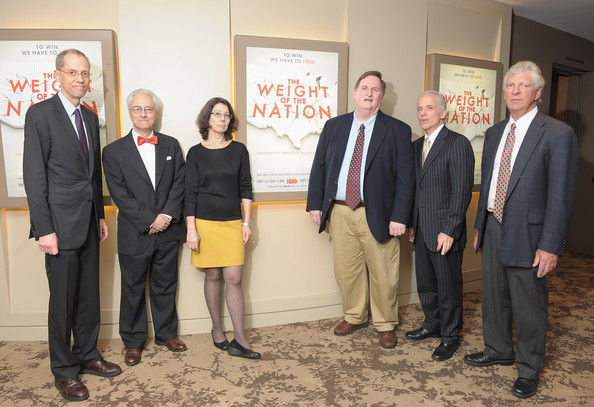
Guess which one is the nation’s foremost authority on obesity—from Yale University?

My final question is this. How confusing is it to watch a morbidly obese “expert” explaining a weight-loss solution that is clearly not working for him?

There is much better information out there—like the works of Campbell, Esselstyn, McDougall, Fuhrman, Barnard, Ornish and others. Don’t confuse your loved ones—send them to sources that offer consistent truth and clarity on this crucial subject.

Related blog. Meet the “Big Three” Generals—in the War on Obesity

Want to find out how healthy your family is eating? Take our free 4Leaf Diagnostic Survey It takes less than five minutes and you can score it yourself. After taking the survey, please give me your feedback as it will be helpful in the development of our future 4Leaf app for smartphones. Send feedback to jmorrishicks@me.com

International. We’re now reaching people in over 100 countries. Follow us on Facebook and Twitter or get daily blog notices by “following” us in the top of the right-hand column. For occasional updates, join our periodic mailing list.

If you’d like to order our book on Amazon,  visit our BookStore now.

J. Morris Hicks, working daily to promote health, hope and harmony on planet Earth.

For help in your own quest to take charge of your health, you might find some useful information at our 4Leaf page or some great recipes at Lisa’s 4Leaf Kitchen.

Got a question? Let me hear from you at jmorrishicks@me.com. Or give me a call on my cell at 917-399-9700.

SHARE and rate this post below.

Blogging daily at hpjmh.com…from the seaside village of Stonington, Connecticut – Be well and have a great day.

—J. Morris Hicks, board member, T. Colin Campbell Foundation

Posted in Medical Experts, Obesity | 1 Comment